
Ever wondered how a cattle farm kid becomes a multimillionaire? Woody Folsom’s story isn’t your typical rags-to-riches tale. It’s raw, real, and packed with lessons. Born in rural Georgia, he turned grease-stained hands into gold. Today, his empire spans seven dealerships and 2,700 acres of prime farmland. His secret? Never forgetting where he came from.
Most businessmen pick one lane. Folsom built highways in two industries. Cars and cattle might seem worlds apart, but he made them dance together. His net worth now sits at $80 million, proving smart diversification beats single-focus hustle. Let’s dig into how this entrepreneur turned childhood chores into corporate dominance.
Early Life
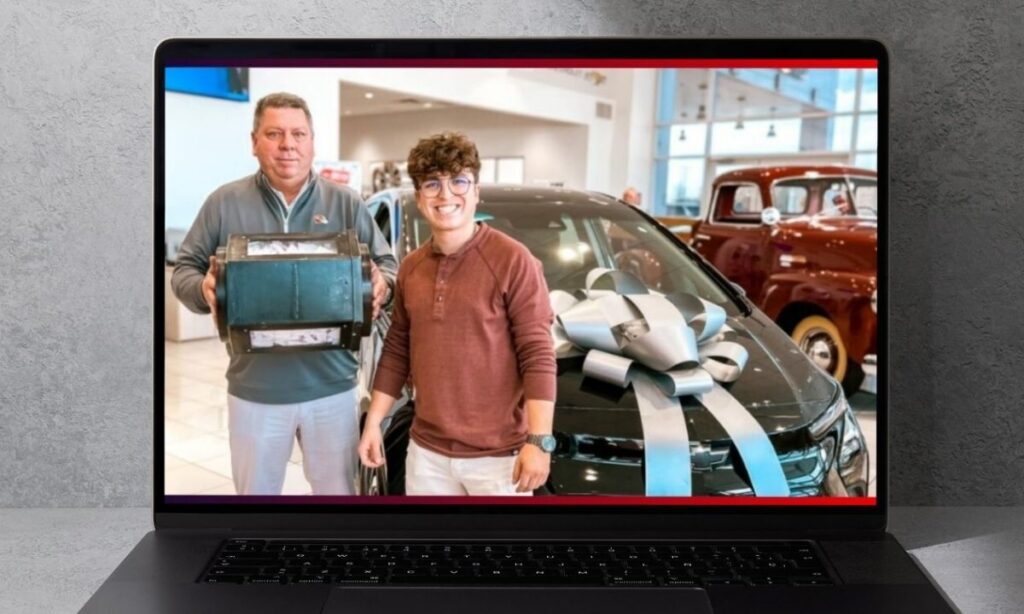
December 14, 1964, marked the arrival of a future mogul in Baxley, Georgia. Fields stretched endlessly around his childhood home. Livestock wasn’t just scenery—it was survival training. His father’s cattle operation became his first classroom. No textbooks, just mud, sweat, and early mornings that taught him grit.
Young Woody didn’t complain about 5 AM wake-up calls. He absorbed every lesson those cattle taught him. Birth cycles, feeding schedules, market timing—these weren’t chores. They were business fundamentals disguised as farm work. While other kids played video games, he calculated profit margins on newborn calves.
That farm wasn’t fancy, but it was fertile ground for ambition. He learned something powerful: hard work compounds. Every fence repaired, every cow tended, every harvest managed built his foundation. Rural Georgia shaped more than his accent. It forged an unshakeable work ethic that Wall Street executives would envy.
His hands got dirty, but his mind stayed clean and focused. Agriculture wasn’t a backup plan. It became his baseline for understanding business cycles. Droughts teach patience. Seasons teach timing. Livestock teaches responsibility. These lessons cost nothing but gave him everything he needed to dominate later.
Woody Folsom Bio
| Category | Details |
| Full Name | Woody Folsom |
| Date of Birth | December 14, 1964 |
| Birthplace | Baxley, Georgia |
| Age | 60 years |
| Profession | Entrepreneur, Dealership Owner |
| Education | Agribusiness Management |
| Net Worth | $80 million |
| Wife | Tamela Folsom |
| Children | Tanner Folsom, Anna Kate Folsom |
| Business Name | Woody Folsom Auto Group |
| Farm Name | Circle F Farm LLC |
| Farm Size | 2,700 acres |
| Cattle Type | Brahman, F-1 Commercial |
| Dealerships | Seven locations |
| Headquarters | Southeast Georgia |
Personal Life

Marriage and business rarely mix smoothly. For Woody and Tamela Folsom, they’re inseparable. She’s not arm candy at corporate events. She’s his operational backbone. While he closes deals, she optimizes systems. Together, they run both automotive and agricultural ventures with military precision.
Their kids, Tanner and Anna Kate, aren’t trust fund babies waiting for inheritance. They’re getting their hands dirty now. Tanner shows serious promise in livestock management. He’s learning breeding programs, market analysis, and cattle genetics. Anna Kate brings fresh perspectives that challenge old-school farming methods.
Family dinners probably discuss profit margins and pasture rotation. Some might call that intense. The Folsoms call it legacy building. They’re not raising spoiled heirs. They’re grooming next-generation operators who understand both balance sheets and barn maintenance.
This family unit operates like a well-oiled machine. Everyone has roles, responsibilities, and results to deliver. No participation trophies here. Just real work creating real value. Their home life mirrors their business philosophy: contribute or get comfortable being uncomfortable.
Education
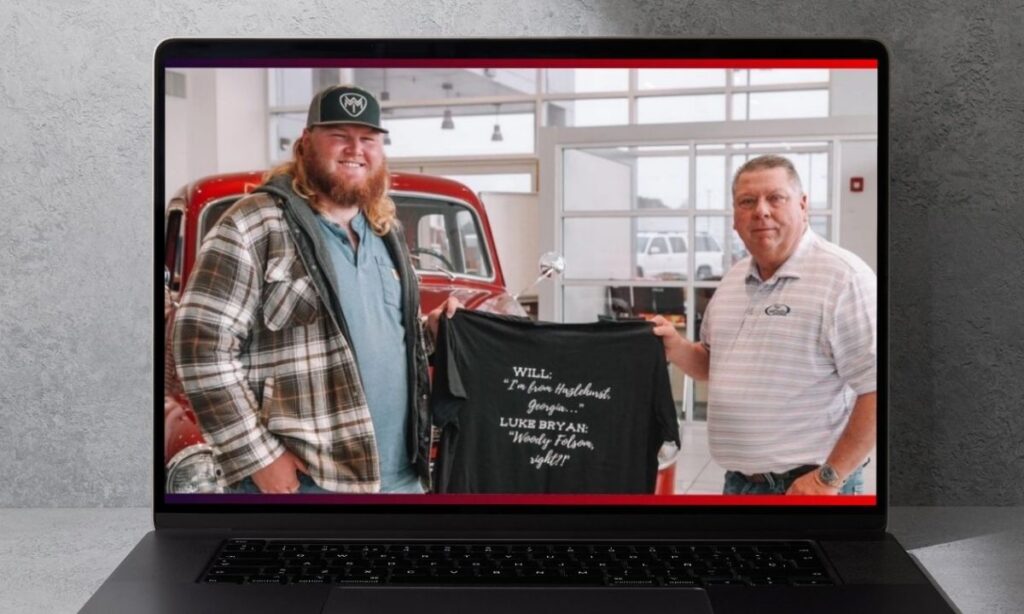
Formal schooling matters, but Folsom’s real education happened between fence posts. Local institutions provided basics—reading, writing, arithmetic. The cattle farm provided advanced coursework in economics, biology, and market psychology. One environment gave him diplomas. The other gave him wealth-building wisdom.
He didn’t stop at classroom learning, though. Organizations like 4-H and Future Farmers of America became his graduate programs. These weren’t just clubs for farm kids. They were leadership incubators. Competitions sharpened his competitive edge. Projects taught him project management before business school professors made it trendy.
FFA involvement changed his trajectory. Public speaking at livestock shows built confidence. Competing in agricultural contests developed his strategic thinking. Networking with other farm families created connections that paid dividends decades later. These experiences taught him something schools often miss: relationships matter more than credentials.
His agribusiness management knowledge came from living it, not just studying it. Book smarts met dirt wisdom, creating a hybrid intelligence that traditional CEOs lack. Wall Street understands spreadsheets. Folsom understands spreadsheets AND livestock breeding cycles. That combination makes him dangerously effective.
Start of Business Empire
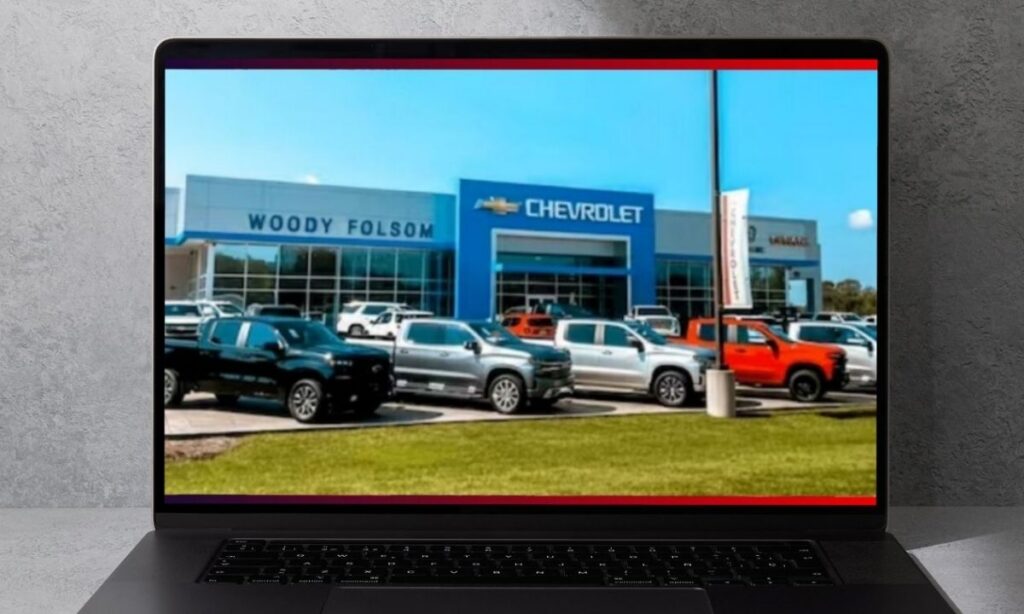
Lamco Motors in Bailey wasn’t Harvard Business School. But for teenage Woody, it was better. His after-school job became his MBA program. He didn’t just wash cars and run errands. He watched, learned, and absorbed dealership dynamics like a sponge soaking up water.
Sales techniques, customer psychology, inventory management—he studied it all. Most kids his age worried about prom dates. He worried about profit margins and customer retention strategies. The dealership floor became his laboratory. Every interaction taught him something new about human behavior and buying decisions.
That job sparked a realization: automotive sales weren’t complicated. They were about trust, transparency, and follow-through. Traditional dealerships treated customers like wallets with legs. Folsom saw an opportunity. What if someone actually cared about customer experience? Revolutionary thinking for car sales.
Years of observation finally erupted into action. He launched Woody Folsom Auto Group with a radical idea: treat people right. No pressure tactics. No hidden fees. Just honest business built on relationships. Competitors laughed at first. They’re not laughing anymore. His customer-first approach became his competitive advantage.
What Makes Woody Folsom Auto Group Different?
Seven dealerships don’t appear overnight. They’re built one satisfied customer at a time. Folsom’s automotive network dominates Southeast Georgia because he understood something competitors missed: cars are emotional purchases disguised as practical decisions. People want more than reliable transportation. They want peace of mind.
His dealership approach flips traditional sales models. Most dealers see transactions. He sees relationships. First-time buyers at Woody Folsom Auto Group often become lifetime customers. They bring friends, family, and coworkers. Word-of-mouth marketing powered his expansion better than any advertising campaign could.
Technology integration separates his operations from mom-and-pop shops. Digital inventory systems, customer relationship management tools, and data analytics optimize every touchpoint. But technology serves the human element. It doesn’t replace it. This balance creates efficiency without sacrificing personal connection.
Key Features of Woody Folsom Auto Group:
- Seven full-service dealership locations across Southeast Georgia
- Complete inventory: trucks, SUVs, sedans, commercial vehicles
- Factory-authorized service centers at every location
- Financing options for all credit profiles
- Community partnership programs with local schools
- Active support for FFA and 4-H youth development
- Trade-in services with transparent valuation
- Extended warranty programs and maintenance packages
Circle F Farms Overview
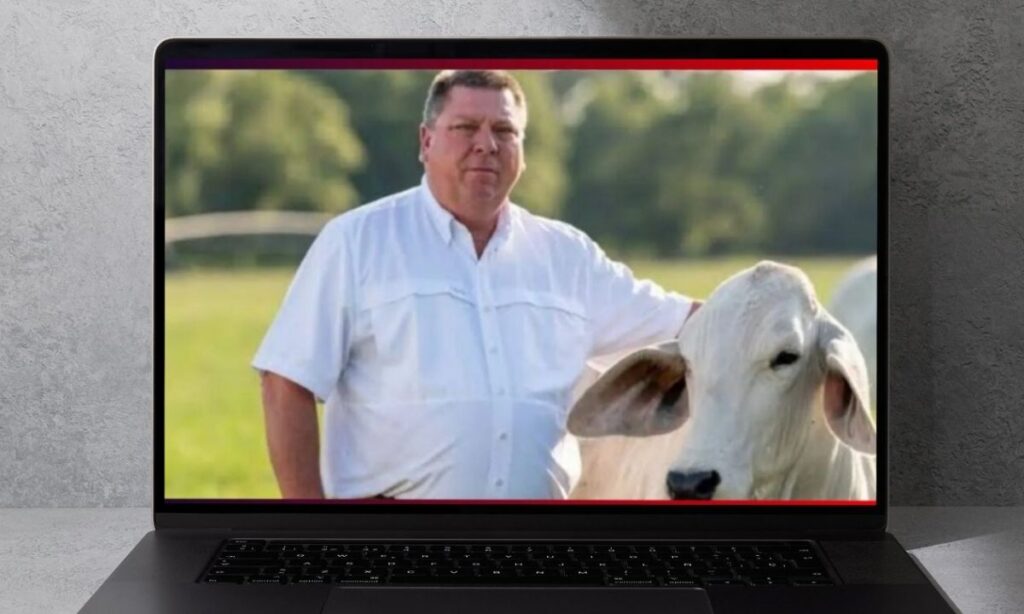
Most successful businessmen buy vacation homes. Folsom bought 2,700 acres of working farmland. Circle F Farm LLC isn’t a hobby project or tax shelter. It’s a profitable agricultural operation that rivals his automotive success. While others play golf on weekends, he checks breeding schedules and pasture conditions.
The farm specializes in Brahman cattle, known for heat tolerance and disease resistance. These aren’t ordinary cows. They’re premium genetics bred for F-1 commercial production. His herd of 250 registered Brahman cows produces elite female progeny that command top dollar in agricultural markets.
Sustainable farming isn’t trendy buzzwords for Folsom. It’s business strategy. Rotational grazing, water conservation, and soil health management increase productivity while reducing costs. Progressive consumers want ethically raised livestock. He delivers it while maintaining profit margins that make competitors envious.
Circle F Farm Highlights:
- 2,700 acres of managed pastureland
- 250 registered Brahman breeding cows
- Elite F-1 commercial cattle production
- Sustainable grazing and land management practices
- Modern livestock handling facilities
- Genetic selection program for superior breeding stock
- Direct sales to premium beef markets
- Educational partnerships with agricultural programs
Circle F Farm proves agricultural knowledge translates to agricultural profits. His childhood training wasn’t wasted time. It was apprenticeship for empire building. Land management skills learned at age ten now generate millions. Those early morning cattle checks taught him observation and patience—skills that serve both industries equally.
Woody Folsom Auto Group Community Impact
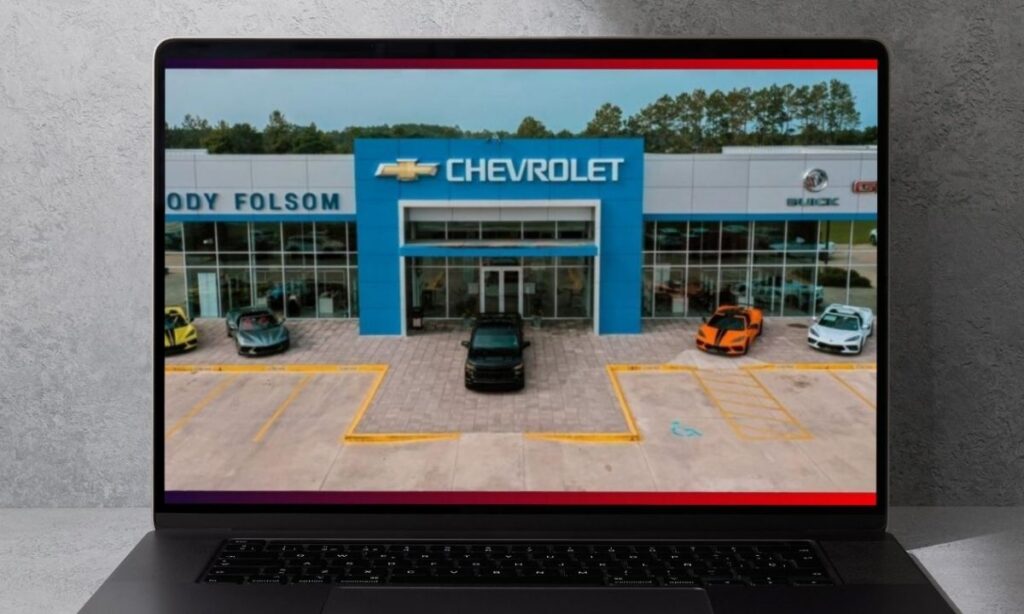
Corporate social responsibility often means writing checks for photo opportunities. Folsom’s community involvement runs deeper. His dealership group doesn’t just sponsor FFA programs. It actively purchases livestock projects from local students. Real money for real work creates real impact.
4-H participants showcase cattle, pigs, and sheep at county fairs. Woody Folsom Auto Group shows up as a buyer. This practice does more than support agriculture education. It validates youth effort, teaches market economics, and funds future projects. Kids learn that hard work literally pays off.
Local economies benefit beyond feel-good headlines. Seven dealerships employ hundreds of people. Circle F Farm creates agricultural jobs. His businesses generate tax revenue that funds schools, roads, and services. Wealth creation that lifts entire communities beats charity checks every time.
Community Engagement Initiatives:
- Annual livestock purchases from FFA members
- Scholarship programs for agricultural students
- Sponsorship of youth development programs
- Support for local farming community events
- Job creation across automotive and agricultural sectors
- Partnerships with vocational training programs
- Financial literacy workshops for young entrepreneurs
- Equipment donations to local farming education programs
This community focus isn’t altruism disguised as business strategy. It’s business strategy powered by genuine values. Investing in youth development creates tomorrow’s customers, employees, and business partners. Short-term costs generate long-term returns that compound across generations.
Woody Folsom Net Worth
Eighty million dollars doesn’t tell the whole story. Net worth measures results, not strategy. Folsom’s wealth comes from diversification that most business advisors only dream about. Automotive sales provide steady cash flow. Agricultural investments offer long-term appreciation and inflation hedging.
His automotive empire generates predictable revenue streams. Car sales fluctuate with economic cycles, but service departments provide stability. Parts, maintenance, and repairs keep money flowing even during sales downturns. This business model smooths volatility that crushes less sophisticated operators.
Circle F Farm represents generational wealth building. Land appreciates. Quality genetics command premium prices. Sustainable practices reduce operational costs while increasing productivity. Combining modern technology with traditional knowledge creates competitive advantages that newer operations can’t quickly replicate.
Net Worth Breakdown:
| Asset Category | Estimated Value | Revenue Contribution |
| Auto Dealerships | $45 million | Primary income source |
| Circle F Farm Land | $20 million | Asset appreciation |
| Brahman Cattle Herd | $8 million | Annual breeding sales |
| Real Estate Holdings | $5 million | Rental and appreciation |
| Business Equipment | $2 million | Operational assets |
| Total Net Worth | $80 million | Diversified portfolio |
Market dynamics shift constantly. Automotive trends change. Agricultural commodity prices fluctuate. Folsom’s diversified approach protects against single-industry collapse. When car sales slow, cattle sales continue. When beef prices dip, vehicle service revenue steadies the ship. This strategic balance creates wealth resilience.
Income Sources
Revenue streams matter more than net worth snapshots. Folsom built multiple income channels that feed each other. His automotive knowledge helps him negotiate equipment purchases for the farm. His agricultural expertise teaches him patience for long-term business cycles. Each industry informs and improves the other.
Vehicle sales generate immediate cash flow. New and used inventory turnover creates consistent revenue. Finance and insurance products add profit margins without inventory risk. Service departments provide recurring income from existing customers. Parts sales create additional revenue streams. Every dealership interaction becomes multiple profit opportunities.
Agricultural income follows different rhythms. Cattle breeding programs produce saleable livestock annually. F-1 commercial cattle fetch premium prices from ranchers seeking genetic improvements. Brahman cattle sales target specific markets willing to pay for quality. Land itself appreciates, building equity that compounds without active management.
Primary Revenue Streams:
- New vehicle sales across seven dealership locations
- Used vehicle sales with certified pre-owned programs
- Finance and insurance product commissions
- Service department revenue from maintenance and repairs
- Parts sales to retail and wholesale customers
- F-1 commercial cattle breeding and sales
- Registered Brahman cattle sales to breeding operations
- Agricultural consultation and livestock management services
Strategic synergies between industries create unexpected advantages. Dealership customers often need trucks for farming. Farm contacts often need reliable vehicles. Cross-selling opportunities emerge naturally without forced sales tactics. This organic integration makes both businesses stronger than they’d be separately.
How Technology Powers Both Businesses
Modern automotive retail requires sophisticated systems. Inventory management, customer relationship tools, and digital marketing platforms optimize operations. Folsom embraced technology early, gaining advantages over technophobic competitors. Online vehicle shopping, digital financing, and service scheduling improve customer experience while reducing costs.
Agricultural technology transformed farming from guesswork to precision science. Livestock management software tracks breeding cycles, health records, and genetic data. Weather monitoring systems inform grazing decisions. Market analysis tools optimize selling timing. These innovations increase productivity while reducing manual labor requirements.
Technology Integration:
- Customer relationship management systems for dealerships
- Digital inventory management across all locations
- Online sales platforms and virtual showrooms
- Livestock genetics tracking and breeding software
- Pasture management and rotational grazing systems
- Market analysis tools for agricultural commodities
- Financial management and reporting platforms
- Mobile applications for remote operations monitoring
Data drives decisions in both industries. Sales patterns inform inventory purchases. Breeding records identify superior genetics. Customer feedback shapes service improvements. Market trends guide expansion timing. Information becomes competitive advantage when properly analyzed and applied.
Lessons from Woody Folsom’s Success
Start early, learn continuously. Folsom’s teenage dealership job wasn’t wasted time. It was paid education that shaped his empire. Young entrepreneurs should seek hands-on experience over perfect timing. Learning while earning beats waiting for ideal conditions that never arrive.
Diversification protects against disaster. Single-industry focus creates vulnerability. Economic downturns, regulatory changes, or market disruptions can devastate specialized businesses. Multiple revenue streams provide stability when individual sectors struggle. Folsom’s dual-industry approach proved this repeatedly.
Success Principles:
- Build expertise through hands-on experience, not just study
- Diversify income sources across different industries
- Prioritize customer relationships over short-term profits
- Invest in community development for long-term returns
- Balance traditional knowledge with modern technology
- Maintain family values while scaling operations
- Stay connected to your roots and core principles
- Think generationally, not quarterly
Customer focus beats aggressive sales tactics. Treating people right isn’t soft business. It’s smart business. Satisfied customers return, refer friends, and defend your reputation. This organic growth costs less than advertising while producing better results. Relationships compound like interest.
Community investment creates ecosystem advantages. Supporting youth programs develops future customers, employees, and partners. Local engagement builds brand loyalty that advertising can’t buy. Generosity rooted in authentic values generates returns that pure profit-seeking never achieves.
FAQs About Woody Folsom
What is Woody Folsom’s current net worth in 2025?
His estimated net worth stands at $80 million from automotive and agricultural ventures.
How many car dealerships does Woody Folsom own?
He operates seven full-service dealerships across Southeast Georgia through his Auto Group.
What type of cattle does Circle F Farm raise?
The farm specializes in registered Brahman cattle and elite F-1 commercial cattle production.
How did Woody Folsom start his business career?
He began with an after-school job at Lamco Motors before launching his own dealership group.
What makes Woody Folsom Auto Group different from competitors?
His customer-first approach, community involvement, and FFA support create lasting customer relationships.
How large is Circle F Farm?
The operation spans 2,700 acres of managed pastureland with 250 registered breeding cows.
Conclusion
Woody Folsom’s journey proves success doesn’t require Ivy League credentials or trust fund starts. It requires vision, work ethic, and unwavering commitment to core values. From cattle farm kid to multimillionaire, his path shows what’s possible when talent meets opportunity and refuses to quit.
His $80 million empire stands as testament to smart diversification and genuine community engagement. Cars and cattle might seem unrelated, but both industries reward the same fundamentals: relationships, quality, and long-term thinking. Folsom mastered these principles, turning rural Georgia upbringing into competitive advantage that competitors can’t replicate.

Bill Gates, the co-founder of Microsoft, transformed the computer world and later made a global impact in philanthropy through the Bill & Melinda Gates Foundation.